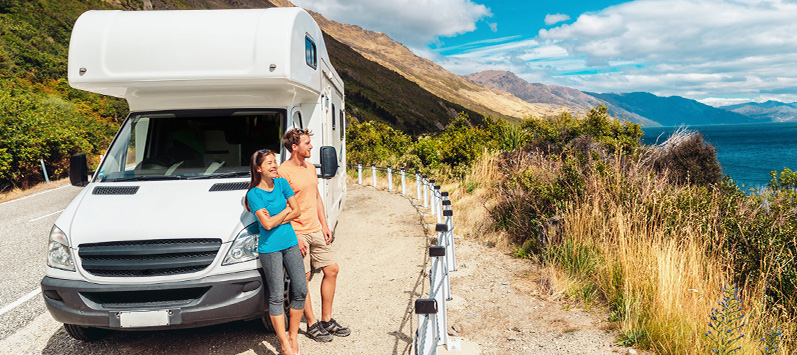
Owning an RV offers a unique blend of freedom and comfort, allowing you to travel while bringing the conveniences of home along for the journey. But with that flexibility comes a different set of insurance needs compared to a standard vehicle. One of the most important things RV owners should understand is how coverage can vary depending on whether you’re on the road or parked at a campsite.
Understanding these differences can help ensure you’re properly protected no matter how you’re using your RV.
Coverage While You’re on the Road
When your RV is in motion, your insurance functions similarly to an auto policy. This is where liability coverage becomes especially important. If you’re involved in an accident and cause damage to another vehicle or injure someone, liability insurance helps cover those costs, including medical expenses and legal fees.
In addition to liability, most RV policies include collision coverage, which helps pay for repairs to your RV if it’s damaged in an accident, regardless of who is at fault. Comprehensive coverage also plays a role while driving, protecting against non collision incidents such as theft, vandalism, falling objects, or weather related damage.
Because RVs are larger and often more complex than standard vehicles, repair costs can be significant. Having strong coverage while you’re on the road is essential to protect your investment and avoid unexpected out of pocket expenses.
Coverage When You’re Parked at a Campsite
Once your RV is parked and set up at a campsite, your insurance needs begin to shift. At this point, your RV is no longer just a vehicle, it becomes more like a temporary home.
This is where personal liability coverage becomes increasingly important. If someone is injured in or around your RV while it’s parked, such as tripping over a step or being hurt near your setup, this coverage can help protect you from financial responsibility.
Many policies also include personal belongings coverage, which helps protect items inside your RV, such as clothing, electronics, and outdoor gear. This is especially valuable for longer trips where you may be carrying more personal items.
Additionally, some policies offer vacation liability coverage, specifically designed for when your RV is being used as a living space. This type of coverage helps bridge the gap between auto and homeowners style protection.
Full Time vs. Recreational Use
If you use your RV frequently or live in it full time, your insurance needs may go beyond standard recreational coverage. Full time RV insurance typically includes broader liability protection and additional coverage options, similar to a homeowners policy.
For occasional travelers, a standard policy may be sufficient. However, if your RV becomes your primary residence, it’s important to adjust your coverage accordingly.
Additional Coverage to Consider
There are several optional coverages that can enhance your protection both on the road and at the campsite. Emergency roadside assistance can be invaluable if your RV breaks down far from home. Total loss replacement coverage may help replace your RV if it’s declared a total loss, rather than reimbursing only its depreciated value.
You may also want to consider coverage for attached features like awnings, satellite systems, or custom upgrades, which can be costly to repair or replace.
Staying Protected Wherever You Go
RV ownership is all about enjoying the journey, whether you’re exploring new destinations or relaxing at your favorite campsite. Having the right insurance coverage ensures that you can do both with confidence.
By understanding how your policy works in different situations, you can avoid gaps in coverage and make informed decisions about your protection. Whether you’re driving down the highway or settled in for the weekend, the right RV insurance policy helps keep your adventures worry free.