Busy parents juggling work and wellness, and first-time homebuyers across Nevada, Arizona, and California often assume home is the safest air their families breathe. The challenge is that indoor air quality can quietly slip while everyday home air pollution sources build up, and kids feel it first through coughs, congestion, and other early childhood respiratory health issues. Clear indoor air is achievable, and it starts with understanding what’s in the air and what symptoms deserve attention.
Understanding What Really Shapes Indoor Air
Indoor air quality comes down to four basics: what you release indoors, how much fresh air you bring in, how damp the space gets, and what allergens float around. Household pollutants include cooking smoke, cleaning sprays, scented products, and dust from pets and shoes. Ventilation dilutes that mix, while humidity that is too high can feed mold and dust mites, and air that is too dry can irritate airways.
This matters because small irritations can become missed workdays, urgent care visits, and confusing documentation if you later need benefits or an insurance claim. Better airflow is not just comfort; higher outdoor air ventilation is linked with better indoor conditions for kids. Watch for early pulmonary warning signs in children: persistent cough, wheezing, fast breathing, chest tightness, unusual fatigue, or lips that look bluish.
Picture a busy shop-home routine: you fry dinner, run a diffuser, the bathroom stays steamy, and the child’s bedroom door stays shut. By morning, dust and moisture have built up, and your kid wakes congested and coughing, even though nobody feels “sick.”
With these factors clear, the next steps become simple filter, vacuum, purifier, ventilation, and humidity moves.
Clean Your Indoor Air With a Simple Weekly Plan
This process turns indoor air cleanup into a practical checklist you can run at home or in a small shop space. It also helps you reduce the kind of lingering symptoms that lead to missed work, repeat appointments, and messy benefits or insurance paperwork later.
- Step 1: Replace or clean your HVAC and purifier filters
Start with the filters because they affect everything else you do after. Follow the unit label for size and direction, and set a recurring reminder so it does not slip. Most indoor air checklists begin with regular replacement of air filters since clogged filters can recirculate dust and reduce airflow. - Step 2: Vacuum like you mean it (slow, edges-first)
Vacuum high-traffic paths first, then edges and under furniture where dust collects, moving slowly so the machine can lift particles. If you can, use a vacuum with a sealed system and HEPA filter to avoid blowing fine dust back into the room. Finish by emptying the canister or changing the bag outside to keep debris from drifting back indoors. - Step 3: Choose an air purifier and place it for real airflow
Pick a purifier sized for the room you actually use most, such as the bedroom or the main work area, then run it consistently. Good placement matters more than most people think, and three to five feet off the ground can improve circulation at breathing height. Keep clear space around it and avoid tucking it behind furniture. - Step 4: Boost ventilation and reduce indoor sources
Open windows briefly when outdoor conditions are reasonable, and use kitchen and bath exhaust fans during and after cooking or showers. Store strong-smelling products tightly sealed and use unscented cleaners when possible, since VOCs are common irritants from everyday items. A few small changes here can cut down what you are asking your filters and purifier to handle. - Step 5: Control humidity and use plants as support, not the solution
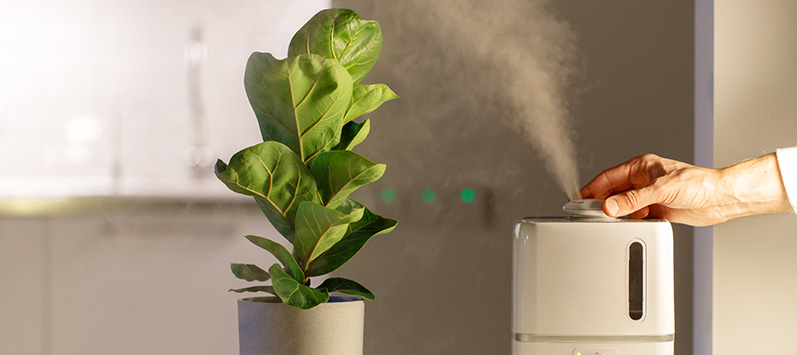
Aim for steady, moderate humidity with a basic hygrometer, using a dehumidifier for damp rooms or a humidifier if air feels overly dry. Fix obvious moisture sources first, such as leaks, wet towels, or a bathroom that never fully dries out. Add a couple easy-care plants if you like them, but treat them as a comfort and routine boost, not your primary air strategy.
Small, repeatable actions like these add up quickly and make it easier to stay healthy and organized.
Weekly Air-Clear Habits That Actually Stick
Build on that checklist with a few steady rituals.
These habits keep your indoor air plan running without constant rework, which matters when you are balancing family health, staffing, and straightforward insurance or benefits decisions. A simple cadence also helps you document what changed and when, so recurring symptoms are easier to discuss with a provider.
Filter Date Check
- What it is: Note the install date and check filters monthly for dust loading.
- How often: Monthly
- Why it helps: Prevents surprise airflow drops that can trigger coughs and fatigue.
Two-Zone Vacuum Pass
- What it is: Vacuum one high-traffic zone and one edge zone slowly.
- How often: Weekly
- Why it helps: Keeps settled debris from becoming a daily breathing irritant.
Humidity Number Check
- What it is: Read a hygrometer and adjust with humidifier or dehumidifier as needed.
- How often: Twice weekly
- Why it helps: Reduces mold risk and throat irritation from overly dry air.
Fan Run-On Routine
- What it is: Run kitchen and bath exhaust fans 15 to 20 minutes after use.
- How often: Daily
- Why it helps: Clears moisture and odors before they spread into living areas.
Product Lid and Storage Sweep
- What it is: Tighten caps, wipe drips, and store strong products away from airflow.
- How often: Weekly
- Why it helps: Lowers VOC exposure that can complicate headaches and sinus symptoms.
Pick one habit this week and tailor it to your family’s schedule.
Common Indoor Air Questions, Answered
A few quick answers to the concerns families and owners raise most.
Q: What are the most common factors that affect indoor air quality in homes?
A: Indoor air is shaped by what gets released inside (cooking smoke, cleaning chemicals, pet dander), what drifts in from outdoors, and how well your HVAC and fans move air through the space. The EPA notes indoor air quality changes with pollutant sources, ventilation operation, and moisture. Start by listing your top three triggers, then match each to one control: capture, filter, or exhaust.
Q: How can I recognize warning signs of lung-related illnesses in children caused by poor air quality?
A: Watch for persistent coughing at night, wheezing, fast breathing, chest tightness, or fatigue that flares after time indoors. If symptoms are new, worsening, or paired with fever, bluish lips, or struggling to breathe, seek medical care right away. Keep a simple log of timing, rooms, and activities so a clinician can spot patterns.
Q: What practical steps can I take daily to maintain clean air inside my home?
A: Use spot ventilation when pollutants are created: run the kitchen hood while cooking and the bathroom fan during showers. Keep doors closed when doing dusty tasks, and wipe surfaces with a damp cloth to avoid re-suspending particles. If you use a purifier, confirm the room size and look for the Clean Air Delivery Rate so it is not underpowered.
Q: How does controlling humidity and improving ventilation contribute to healthier indoor air?
A: Humidity that stays too high can feed mold and dust mites, while very dry air can irritate noses and throats, so target a steady middle range with a basic hygrometer. Ventilation dilutes what you cannot easily capture at the source, especially odors and chemical off-gassing. For a decision rule, if windows are rarely opened and fans are weak, prioritize ventilation improvements before adding more fragrance or “masking” products.
Q: If my home experiences consistent air quality issues, how can insurance coverage help protect me from related health liabilities?
A: Insurance cannot “fix” air, but the right coverage can reduce financial shock if problems lead to medical visits, missed work, or property remediation. Review your health benefits for pulmonary and allergy care access, then confirm whether your homeowners or renters policy addresses sudden events versus long-term moisture or mold conditions. Document dates, photos, and service receipts so any claim or benefits appeal has clear support, and this may be useful for seeing HVAC replacement parts that may appear on those service receipts.
Pick one change you can repeat weekly, then let consistency do the heavy lifting.
Start One Weekly Habit That Keeps Indoor Air Clean
Indoor air can slip from “fine” to irritating fast, especially when daily life, customers, and desert dust keep doors open and filters working hard. The steady approach is simple: consistent air quality maintenance using practical clean air steps that fit your space, season, and budget, so indoor pollution prevention becomes routine instead of a scramble. When those basics stay on schedule, a healthy home environment is easier to keep, and family health protection becomes less dependent on luck. Clean air comes from simple routines done consistently, not one-time fixes. Choose one upgrade to schedule this week, replace the right filter, set a reminder to check humidity, or confirm your ventilation settings, and stick with it. That consistency supports calmer breathing, steadier focus, and a home or business that holds up under everyday demands.