
Homeownership comes with many responsibilities, and one of the most important is protecting your property. While homeowners insurance provides essential coverage, there are proactive steps you can take to reduce risk, and potentially lower your premiums in the process. By investing in smart home upgrades, you not only improve safety and security but also demonstrate to your insurance provider that your home is less likely to experience costly damage or loss.
Here are several smart upgrades that can make a meaningful difference.
Security Systems That Deter Risk
One of the most effective ways to lower your insurance premium is by installing a modern home security system. Monitored alarm systems, motion detectors, door and window sensors, and video surveillance all help reduce the risk of theft or vandalism.
Many insurance companies offer discounts for homes equipped with professionally monitored systems. These features not only protect your belongings but also provide peace of mind, knowing your home is being watched even when you’re away.
Smart Detectors and Leak Prevention
Water damage and fire related incidents are among the most common insurance claims. Installing smart smoke detectors, carbon monoxide detectors, and water leak sensors can help prevent small issues from becoming major problems.
Smart leak detection systems can alert you to a problem immediately, whether it’s a burst pipe or a slow drip under a sink. Acting quickly can minimize damage and reduce the likelihood of filing a claim, which insurance providers view favorably.
Upgraded Roofing and Impact Resistant Materials
Your roof is one of the most critical components of your home’s protection. Upgrading to impact resistant roofing materials can help safeguard your home from weather related damage such as hail or heavy winds.
Homes with newer, more durable roofs are often eligible for lower insurance premiums because they are less likely to require costly repairs. In some cases, insurers may even provide discounts for certified storm resistant materials.
Outdoor Improvements That Enhance Safety
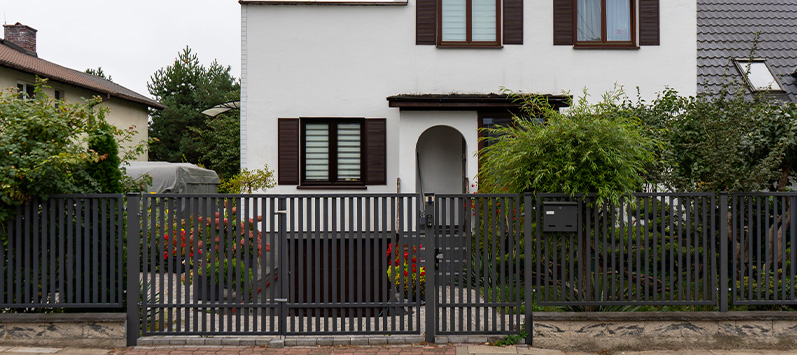
Outdoor features can also play a role in reducing insurance risk. For example, installing secure fencing around your property can help prevent unauthorized access, protect children and pets, and reduce liability risks.
A well maintained fence can also help define property boundaries and create a safer outdoor environment. Combined with proper lighting and secure gates, fencing contributes to an overall safer home, something insurance companies take into account when evaluating risk.
Smart Home Technology for Added Control
Smart home devices like programmable thermostats, smart locks, and automated lighting systems provide homeowners with greater control and monitoring capabilities. Being able to adjust settings remotely or receive alerts in real time helps prevent issues such as frozen pipes, unauthorized entry, or energy inefficiencies.
These technologies not only improve convenience but also demonstrate that your home is actively managed and protected, which may lead to potential savings on your insurance policy.
Fire-Resistant Landscaping and Exterior Features
Simple landscaping choices can also make a difference. Keeping vegetation trimmed, removing dry debris, and using fire-resistant materials around your home can reduce fire risk—especially in areas prone to wildfires.
Additionally, maintaining clear pathways and ensuring easy access for emergency services can further enhance your home’s safety profile.
Investing in Protection Pays Off
Upgrading your home with safety and prevention in mind is a smart investment that goes beyond aesthetics or convenience. These improvements can help reduce the likelihood of claims, protect your property, and potentially lower your insurance premiums.
Before making upgrades, it’s always a good idea to consult with your insurance provider to understand which improvements may qualify for discounts. By taking a proactive approach, you can create a safer home environment while enjoying long term financial benefits.